
Envisionary Design Available
About
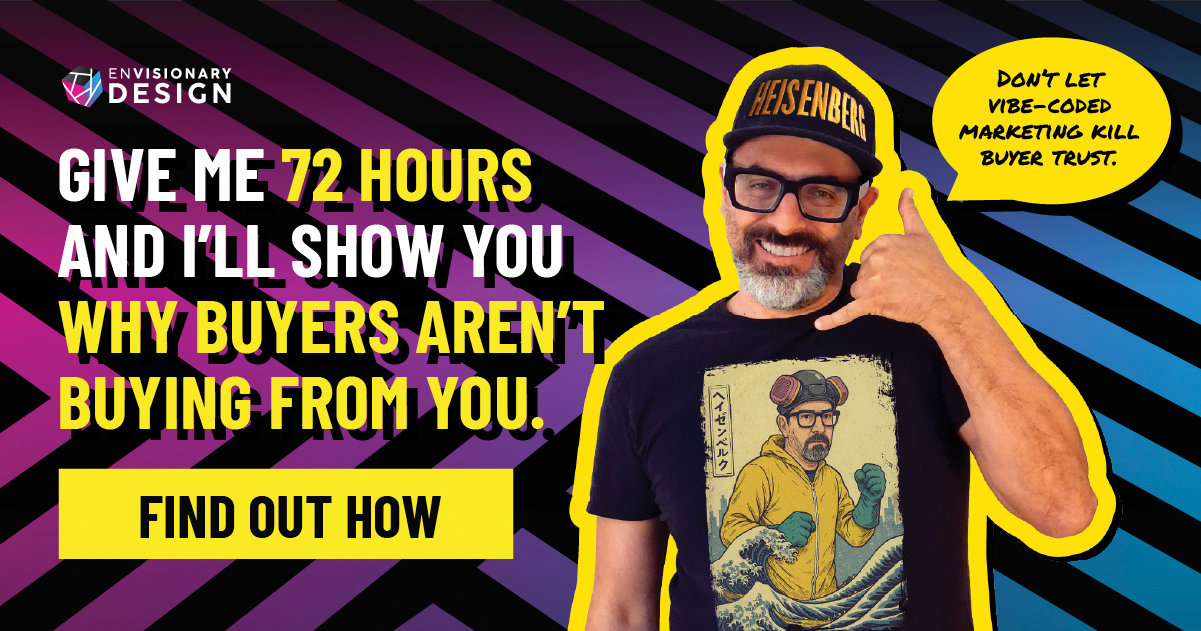
Envisionary Design tackles the visual and structural bottlenecks that stall growing companies when early marketing collateral no longer matches their actual operational capabilities. Directed by veteran visual strategist Costas Schuler, the practice steps into high-friction commercial transitions—such as B2B service firms outgrowing early DIY logos, or industrial manufacturers preparing for milestone corporate anniversaries. Rather than treating design as decorative styling, the work focuses on buyer trust and sales communication, solving fundamental problems where qualified prospects arrive at a web page or marketing document and struggle to decipher the offer, proof points, or next practical step.
Project scenarios frequently center on strict technical and physical constraints. When aerospace maintenance provider CTS Engines needed an integrated visual system for their 20th anniversary, the work spanned nine asset sets—ranging from industrial trade show graphics and recruiter materials to client presentation folders—all built to protect established brand equity while projecting modern scale. For promotional product brands like The Pen Guy, the challenge required designing identity marks that retain visual integrity when stamped across small, curved pen surfaces as cleanly as they do on broad digital layouts. Schuler works backward from the final production medium, testing contrast thresholds, vector scalability, and legibility before committing to a final asset suite.
In website redesigns for regional contractors like DNL Builders or commercial institutions like Foothills Bank, aesthetic decisions serve conversion goals. Schuler shapes the page narrative around buyer objections, placing documented case proof and client outcomes directly where hesitation typically occurs. Technical builds incorporate structured metadata, FAQ schema, and focused calendar lead funnels, ensuring search indexing aligns with clear user pathways. This methodical architecture prevents the common disconnect where high-value service teams lose high-intent inquiries to unclear positioning.
For critical events, product releases, or marketing deadlines, projects operate against structured milestones with direct fractional leadership. Comprehensive website design and identity rollouts generally require an active four- to eight-week timeline to conduct positioning diagnostics, asset testing, and final deployment. Businesses preparing to commission a brand system or digital rebuild should initiate discovery scheduling six weeks ahead of target launch dates, assembling relevant customer case studies, service specifications, and concrete conversion metrics to streamline initial intake.
Reviews
Log in to leave a review.
No reviews yet. Be the first to leave one!
Community Q&A
Loading Q&As...


